Key takeaways
- Preventive dentistry is the routine care that finds problems early or stops them from starting: exams, cleanings, X-rays when needed, fluoride, sealants, screenings and mouthguards.
- The CDC reports that dental sealants prevent 80% of cavities over two years in the back teeth, where 9 in 10 cavities occur.
- Your visit schedule should match your risk; some people need cleanings more often than twice a year.
- Daily brushing with fluoride toothpaste and cleaning between teeth do most of the work between visits.
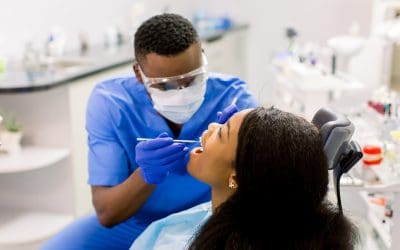
Preventive dentistry is the routine care that keeps teeth and gums healthy and catches problems while they are small, simple and less costly to treat. It includes regular exams and cleanings, X-rays when needed, fluoride, sealants, oral cancer screening and protective mouthguards, plus the brushing and flossing you do at home.
What preventive care includes
- Exams to check teeth, gums, bite and existing dental work.
- Professional cleanings to remove plaque and tartar that brushing misses. See dental cleanings and exams.
- X-rays when needed to see decay between teeth and bone levels. Our offices use digital radiography.
- Oral cancer screening during your exam. The ADA describes the dentist checking your tongue, mouth, jaw and neck. See oral cancer screening.
- Fluoride and sealants for people at higher risk of cavities, including many children.
- Mouthguards for sports and night guards for grinding.
Sealants: a small step with a big effect
Sealants are thin coatings painted onto the chewing surfaces of back teeth. According to the CDC, sealants prevent 80% of cavities over two years in the back teeth, where 9 in 10 cavities occur. The CDC also reports that school-age children without sealants have almost three times as many first-molar cavities as children with sealants. Sealants work best when placed soon after permanent molars come in, around age 6 for first molars and around age 12 for second molars. Learn more about pediatric dentistry.
Prevention protects your gums too
Gum disease is common and often painless early on. The CDC reports that about 4 in 10 U.S. adults age 30 and older had some level of periodontitis in 2009–2014, and that a yearly dental checkup can help detect and prevent it. Regular cleanings remove the tartar that drives gum inflammation. See signs of gum disease.
How often you need preventive visits
There is no single schedule that fits everyone. The ADA encourages patients to follow their dentist’s recommendation, which is based on your oral and overall health. People with a history of gum disease, frequent cavities, diabetes, or who smoke often benefit from more frequent visits. Read how often you should get a dental cleaning.
Your part at home
- Brush twice a day with fluoride toothpaste.
- Clean between your teeth once a day.
- Limit sugary snacks and drinks, especially between meals.
- Avoid tobacco.
- Tell your dentist about health or medication changes, since many conditions affect the mouth.
Not sure about your routine? Read whether to floss before or after brushing.
Why prevention is worth it
A small cavity can usually be repaired with a filling. Left alone, decay can reach the nerve and need a root canal and crown, or the tooth may be lost. Early gum disease can usually be reversed; advanced gum disease can only be managed. Catching problems early typically means simpler treatment. Many dental plans also cover preventive visits at a higher level than other services; our team can check your benefits.
Frequently asked questions
Does insurance cover preventive dentistry?
Many dental plans cover routine exams and cleanings, but coverage varies. Our team can review your plan with you.
Are sealants only for kids?
They are most common for children and teens, but adults with deep grooves and a higher cavity risk may also benefit. Ask your dentist.
Do I need X-rays every visit?
No. Your dentist decides how often you need X-rays based on your age, risk and history.
What happens during an oral cancer screening?
The dentist examines your lips, tongue, cheeks and the floor and roof of your mouth, and feels your jaw and neck for anything unusual. It takes only a few minutes.
Visit one of our Kentucky offices
Due for a checkup? Book an exam and cleaning at the office nearest you.
- Frankfort: (502) 223-0211 · Frankfort office
- Louisville: (502) 969-2396 · Louisville office
- Crescent Springs: (859) 431-3900 · Crescent Springs office
- Fort Thomas: (859) 781-4000 · Fort Thomas office
Prefer to write? Send us a message and the office you choose will get back to you.
Sources
- CDC: Dental Sealant Facts
- CDC Vital Signs: Dental Sealants Prevent Cavities
- CDC: About Periodontal (Gum) Disease
- ADA MouthHealthy: Common Questions About Going to the Dentist
This article is general information, not a diagnosis or a substitute for an exam. Talk with your dentist or physician about your own situation.