Laser Dentistry in Kentucky
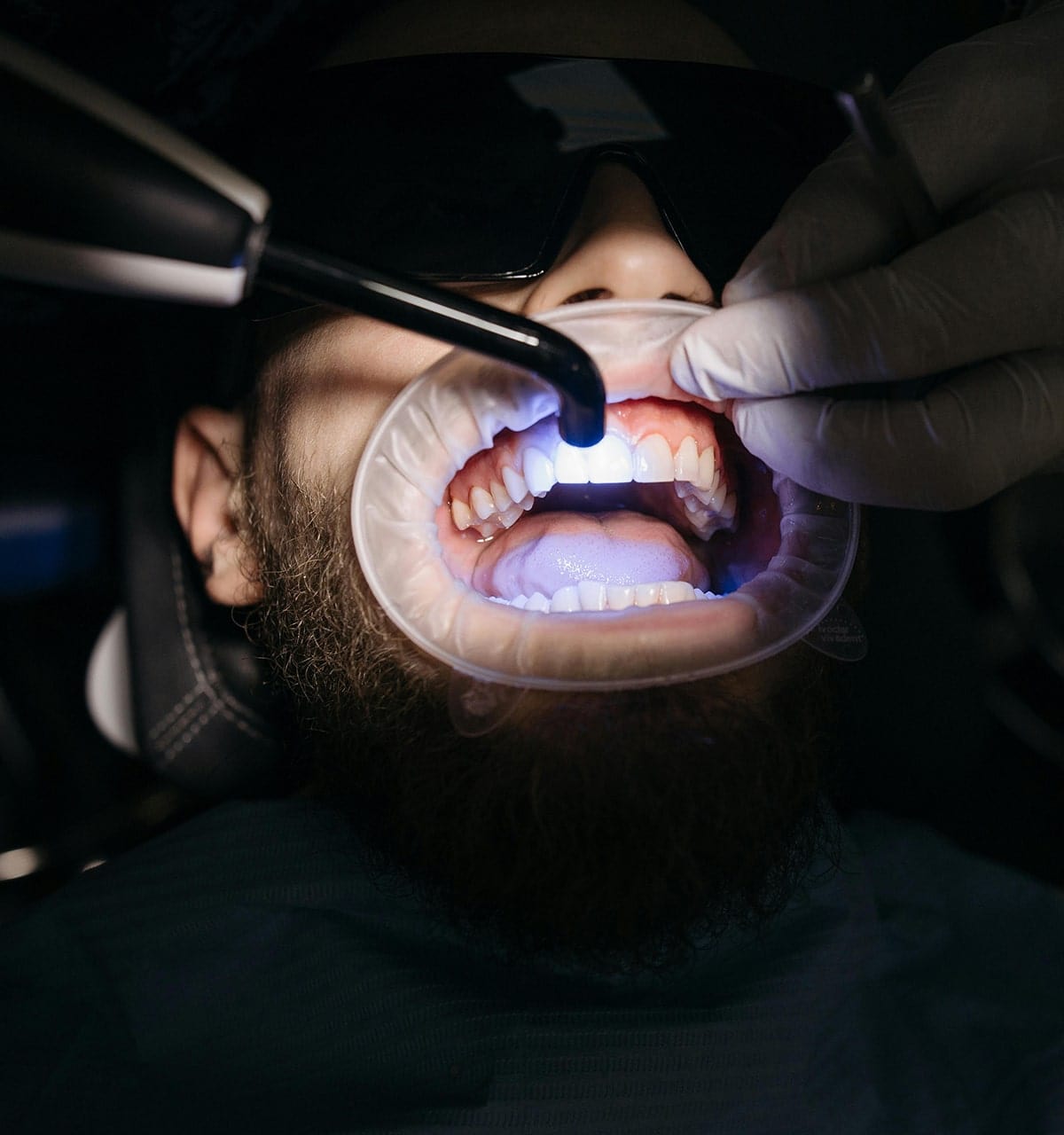
Dental lasers use focused light energy to treat gum tissue and some other procedures with precision. Depending on the treatment, lasers can mean less bleeding, less swelling and faster healing than traditional techniques. Common uses include gum disease therapy, gum contouring and soft tissue procedures.
- Precise, minimally invasive soft tissue care
- Often less bleeding and swelling
- Used alongside gum disease treatment
- Gum contouring for a balanced smile
Serving patients from our Frankfort, Louisville, Crescent Springs and Fort Thomas offices.
Common uses for dental lasers
| Use | Benefit |
|---|---|
| Gum disease treatment | Helps reduce bacteria in gum pockets alongside deep cleaning |
| Gum contouring | Reshapes uneven or excess gum tissue |
| Soft tissue procedures | Precise cuts with less bleeding |
| Canker and cold sores | May relieve discomfort and speed healing |
Benefits and limitations
Lasers can make some procedures more comfortable and speed healing, but they aren’t the right tool for every treatment. Your dentist will recommend laser care when it offers a clear benefit for your situation.
Where can I get this treatment near me?
Call any of our four Kentucky offices to schedule a visit. We’ll confirm which office is best for your appointment.
- Frankfort office · 1006 Leawood Drive, Suite 200
- Louisville (Okolona) office · 8000 William G Penny Lane
- Crescent Springs office · 723 Buttermilk Pike, Suite 2
- Fort Thomas office · 1463 S. Fort Thomas Avenue
Frequently Asked Questions
Is laser dentistry safe?
Yes, when performed by trained providers using proper eye protection.
Does laser treatment hurt?
Many soft tissue laser procedures cause less discomfort than traditional methods; numbing may still be used.
Is healing faster after laser treatment?
Often, because lasers seal blood vessels and nerve endings as they work.
Can lasers replace drills?
Not for most fillings and tooth preparation; lasers are mainly used for soft tissue.
Is laser dentistry covered by insurance?
Coverage depends on the procedure, not the tool. We’ll check your benefits.
Last reviewed: November 2026. This page is general information, not a diagnosis. Your dentist will recommend treatment after an exam.