TMJ Disorder Treatment in Kentucky
TMJ disorders affect the jaw joints and the muscles that move them, causing jaw pain, clicking, headaches and trouble opening wide. Most cases improve with conservative care such as a custom oral splint, bite adjustments, stress and habit changes, and sometimes Botox® for muscle tension.
- Exam of the jaw joints, muscles and bite
- Custom oral splints and night guards
- Conservative, non-surgical care first
- Botox for muscle-related jaw pain
Serving patients from our Frankfort, Louisville, Crescent Springs and Fort Thomas offices.
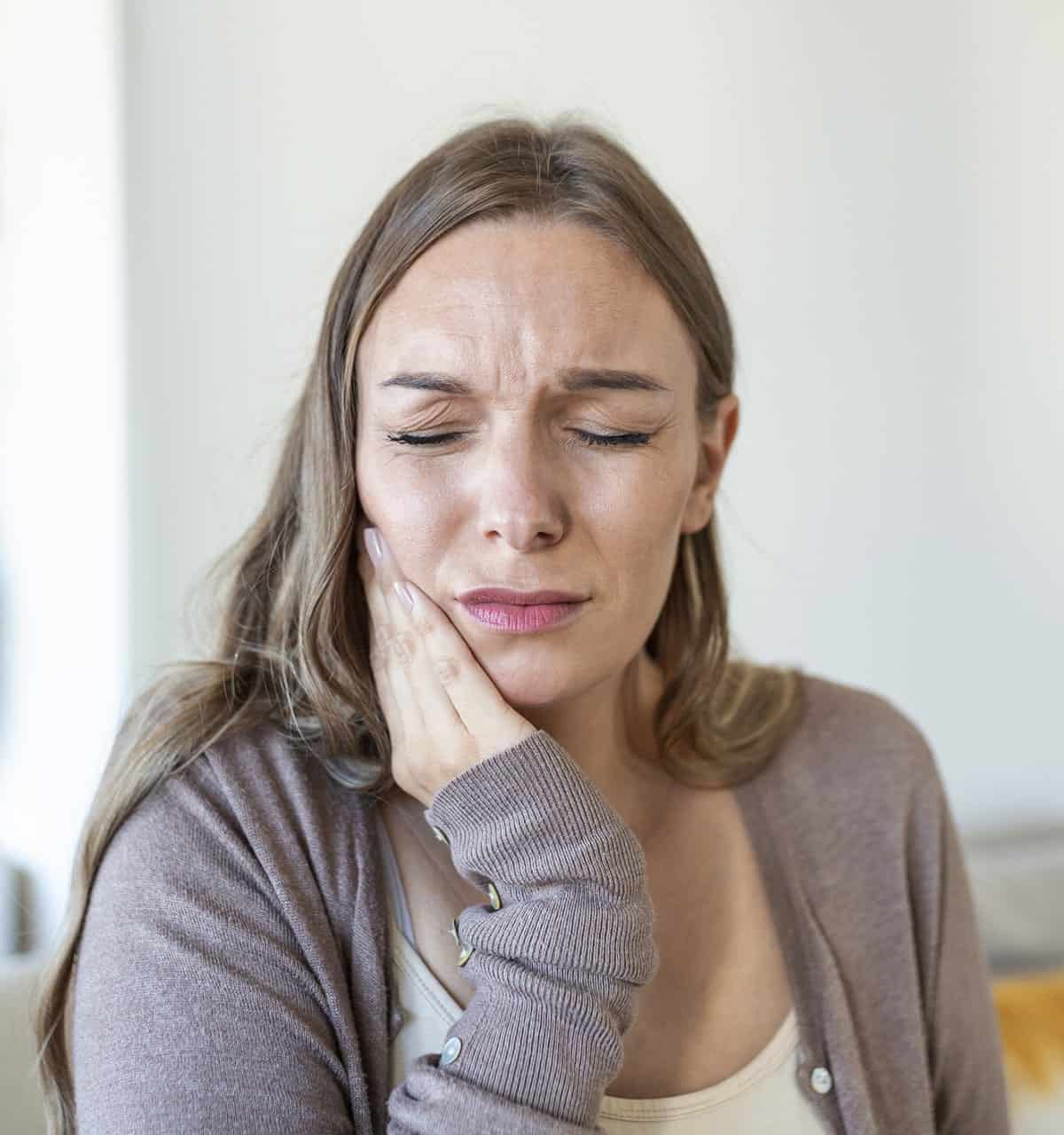
Common TMJ symptoms
- Pain in the jaw, face, ear or temples
- Clicking, popping or grating when you open your mouth
- Jaw locking or limited opening
- Headaches, especially in the morning
- Worn or cracked teeth from clenching
TMJ treatment options
| Treatment | How it helps |
|---|---|
| Custom oral splint / night guard | Reduces clenching forces and protects teeth |
| Bite adjustment or restorations | Corrects uneven contacts that strain the jaw |
| Home care | Soft foods, heat or ice, jaw exercises, avoiding gum chewing |
| Botox® | Relaxes overactive jaw muscles |
| Referral | To a physician, physical therapist or specialist when needed |
What causes TMJ problems?
Common causes include teeth grinding and clenching, stress, jaw injury, arthritis and bite problems. Often more than one factor is involved, which is why we look at the whole picture.
Where can I get this treatment near me?
Call any of our four Kentucky offices to schedule a visit. We’ll confirm which office is best for your appointment.
- Frankfort office · 1006 Leawood Drive, Suite 200
- Louisville (Okolona) office · 8000 William G Penny Lane
- Crescent Springs office · 723 Buttermilk Pike, Suite 2
- Fort Thomas office · 1463 S. Fort Thomas Avenue
Frequently Asked Questions
Can TMJ go away on its own?
Mild symptoms sometimes settle with rest and home care. Persistent pain should be evaluated.
Is jaw clicking a problem?
Clicking without pain is common and often harmless. Clicking with pain or locking should be checked.
Does a night guard help TMJ?
A custom splint can reduce clenching forces and muscle strain for many people.
Does Botox help TMJ pain?
It may help when pain comes from overactive jaw muscles.
Will I need surgery for TMJ?
Rarely. Most people improve with conservative treatment.
Last reviewed: November 2026. This page is general information, not a diagnosis. Your dentist will recommend treatment after an exam.